 Science To Fit
The science › Exercise › Getting started
How to use a weight machine
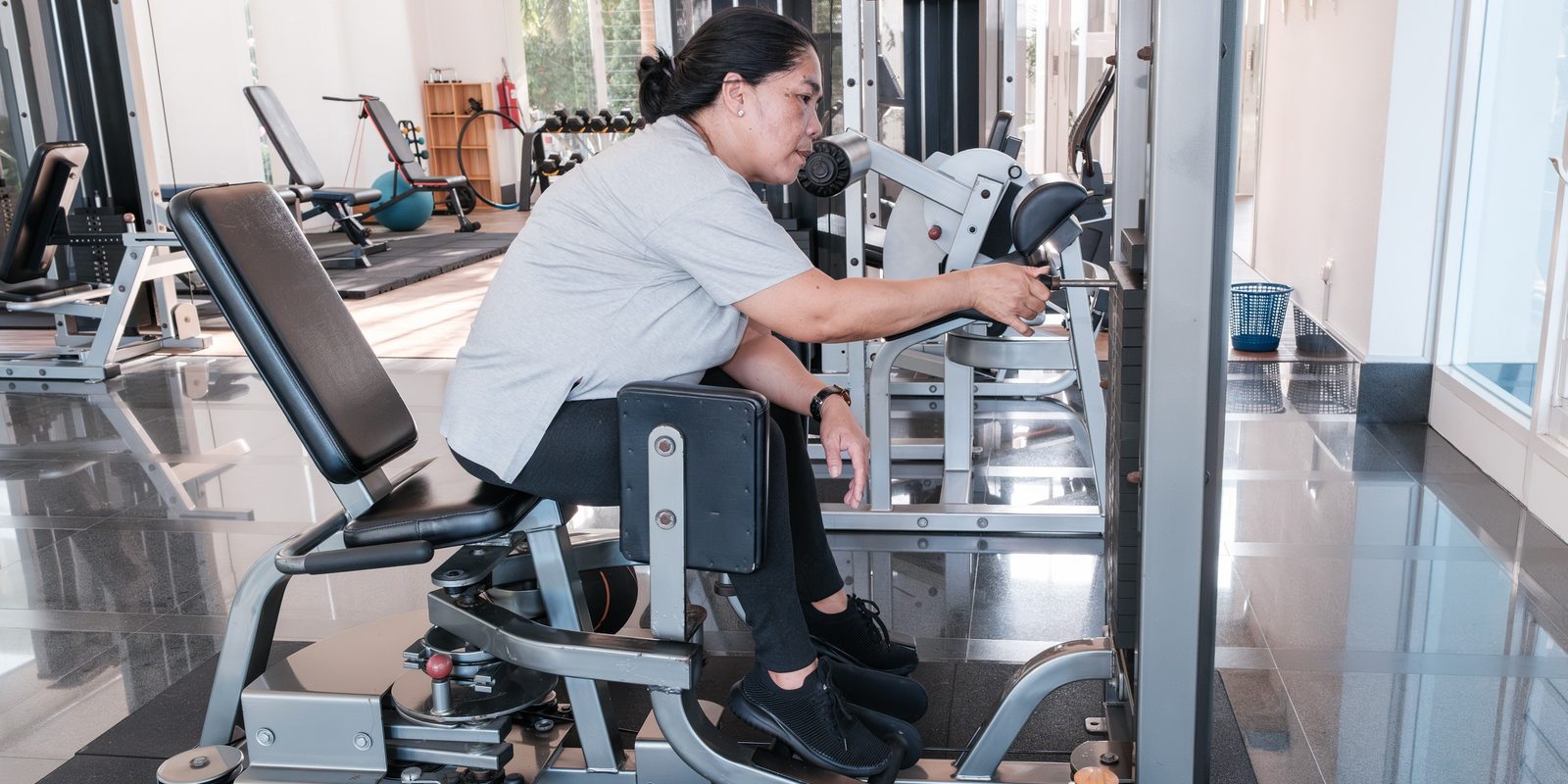
Most weight machines work the same way: set the seat, choose the weight with the pin, and move the handles through a smooth, controlled path. Learn one and you can use most of them.
Why it matters: Machines are the simplest place to start lifting, but a badly set seat or a pin that isn't fully in can make an exercise awkward or unsafe. A minute of setup prevents both.
Go deeper
Three kinds of machines:
- Weight-stack machines hold a stack of plates. You choose the weight by moving a pin. These are the most common, and the easiest to start with.
- Plate-loaded machines have no stack. You slide weight plates onto posts on the machine.
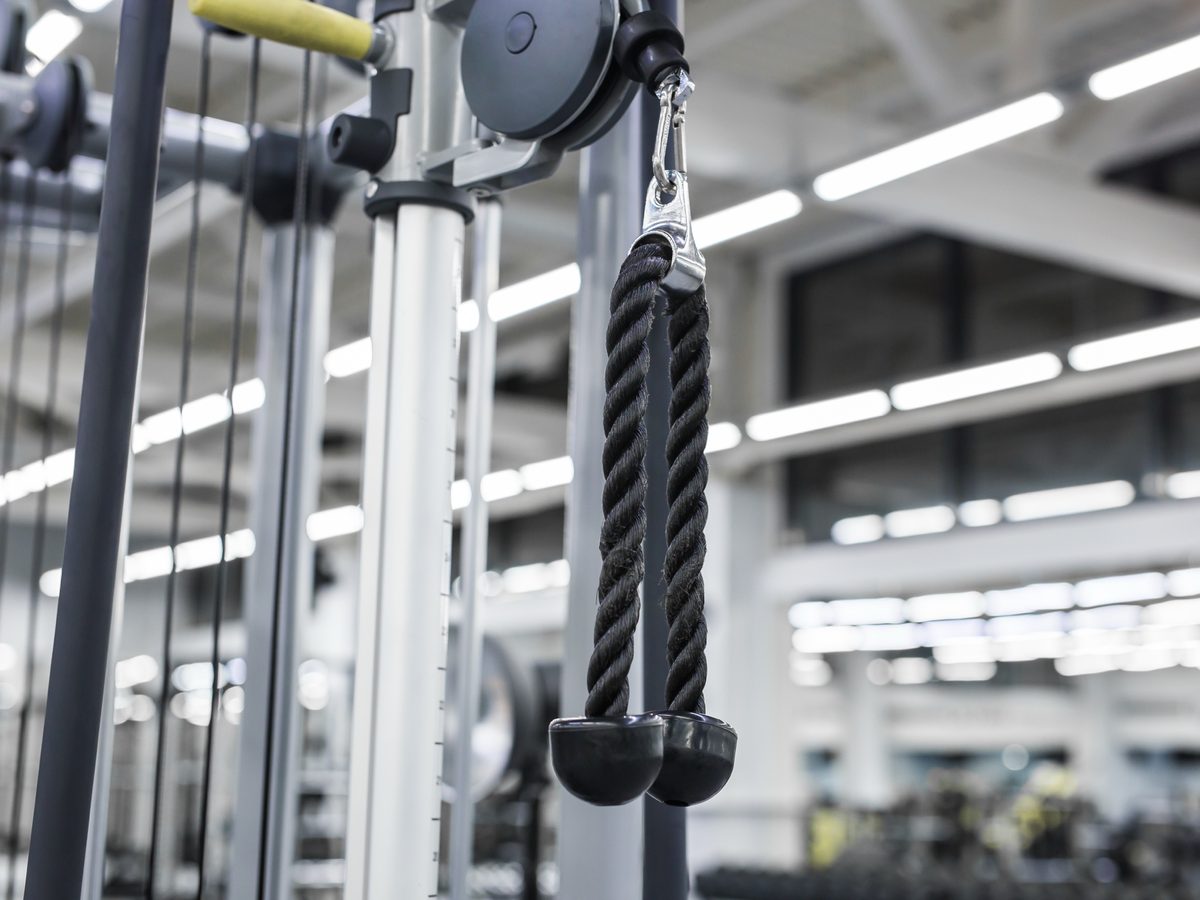
- Cable stations connect a weight stack to a pulley you can raise or lower, with handles you clip on. They allow more freedom of movement.
The parts to know:
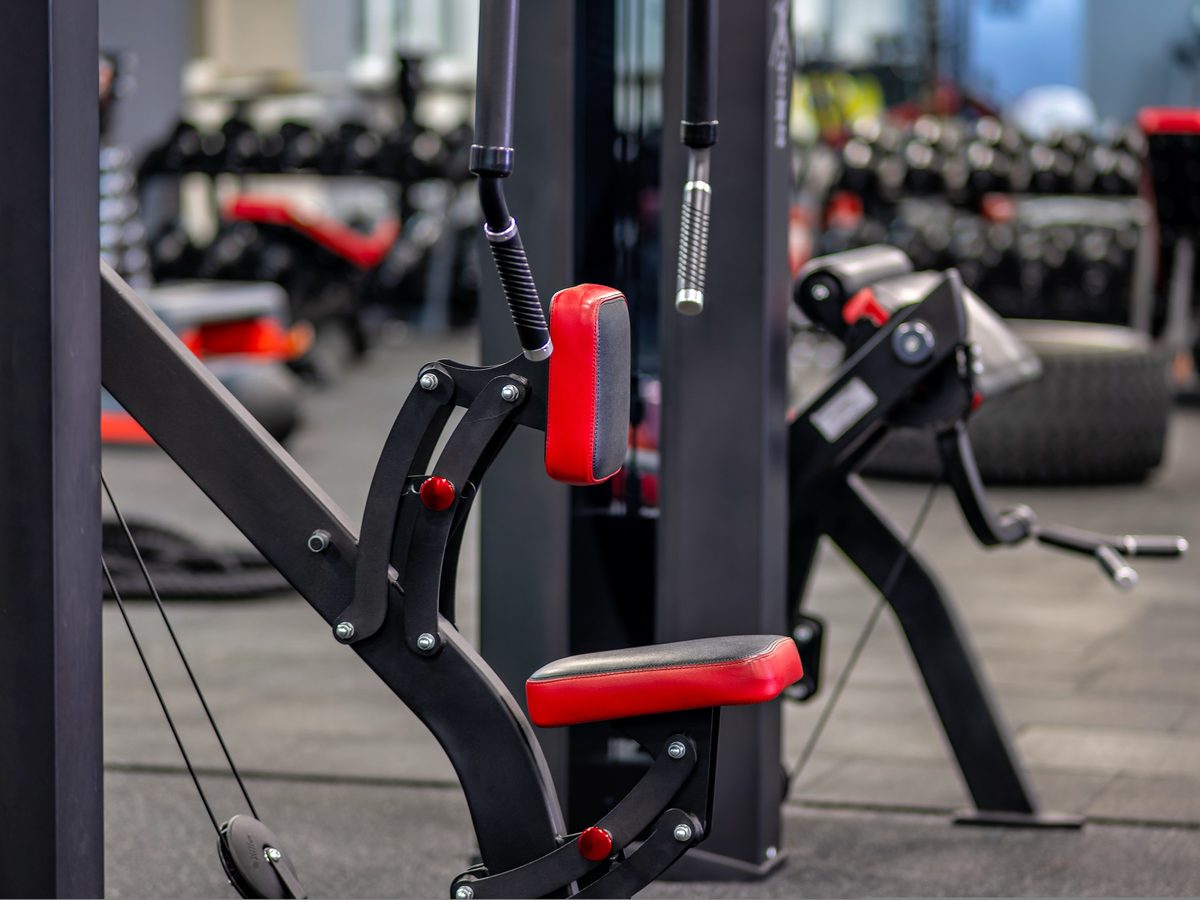
- Seat and seat adjustment: a pop pin or lever on the seat post sets the height.
- Back pad and other pads: some slide forward or back to fit your body.
- Handles or pads you push or pull against.
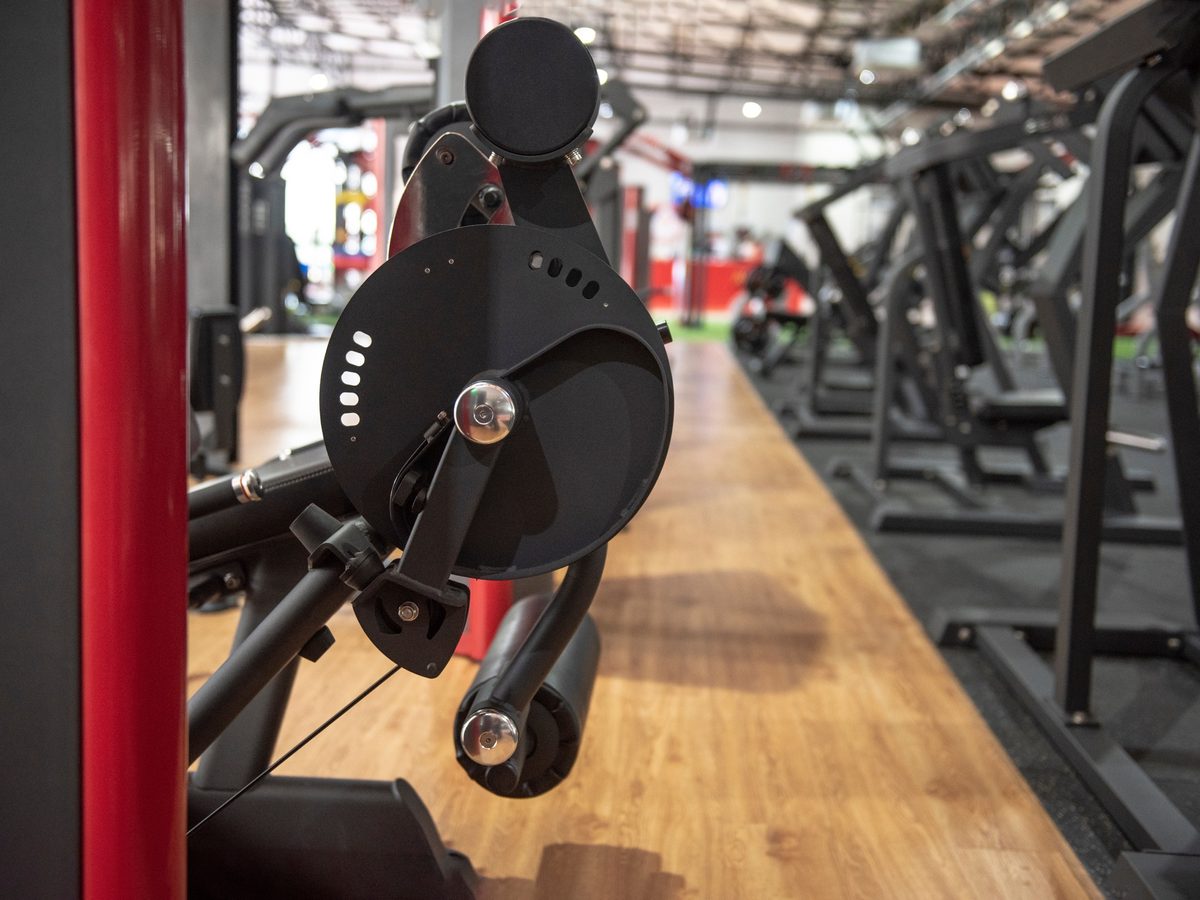
- Pivot point: the axle the moving arm turns around.
- Start-position adjuster: on some machines, a pin near the pivot sets where the movement begins.
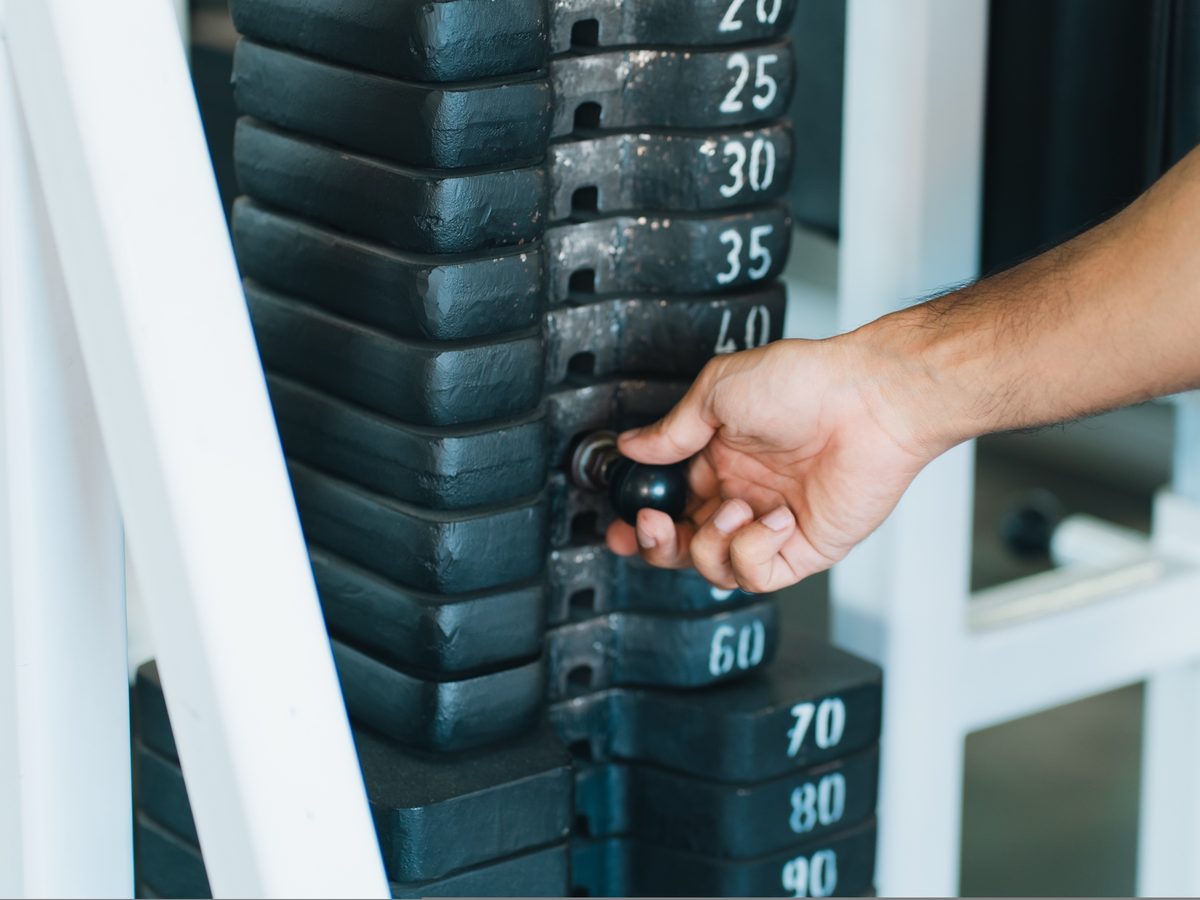
- Weight stack and selector pin: the pin decides how many plates you lift.
- Instruction placard: shows the setup, the movement and the muscles worked.
Set up before your first rep
- Read the placard. It shows how to sit and where the handles or pads should start.
- Adjust the seat so the joint that moves lines up with the pivot point: your knee on a leg extension or leg curl, your elbow on an arm curl. On presses and rows, set the seat so the handles line up with the middle of your chest.
- Set the pads so they sit snug against your body without pinching.
- Set the start position, if the machine has an adjuster. Choose a starting point that feels comfortable, not one that stretches you to your limit.
- Insert the pin all the way into the plate you want, so it passes through the selector rod in the center of the stack.
- Test the movement at the lightest weight. Do a few slow reps with the pin in the top plate. Check that the seat, pads and range feel comfortable, with no pinching or joint pain. Adjust and test again if needed.
- Choose a light starting weight. Pick one you could lift 10 to 15 times with several reps left in reserve. You can add weight next set or next session.
Doing the reps
- Get into position: sit back against the pad, plant your feet as the placard shows, and take hold of the handles.
- Move steadily. Lift in about 1 to 2 seconds and lower in about 2 seconds. Avoid jerking the weight or using momentum.
- Use a comfortable range. Move as far as you can with control, and don't snap your elbows or knees straight at the end.
- Breathe out as you push or pull, and breathe in as you lower. Keep breathing steadily through the hardest part of each rep. Steady breathing keeps your blood pressure from spiking during the lift, which matters most if you have high blood pressure or heart disease (see "Exercise with a health condition" and the breathing guide).
- Lower the weight under control. The plates shouldn't slam together between reps.
- End the set when you reach your target reps, or when you can no longer keep the movement smooth.
Finishing up
- Return the handles slowly so the stack sets down quietly.
- Log the weight and your reps in Today's workout, and note the seat setting.
- Wipe down the seat, pads and handles.
Plate-loaded machines and cable stations
Plate-loaded:
- Load and unload plates evenly when the machine has posts on both sides.
- If the machine has a safety stop or lock, learn how it works before you load it.
- Take your plates off when you finish.
Cable stations:
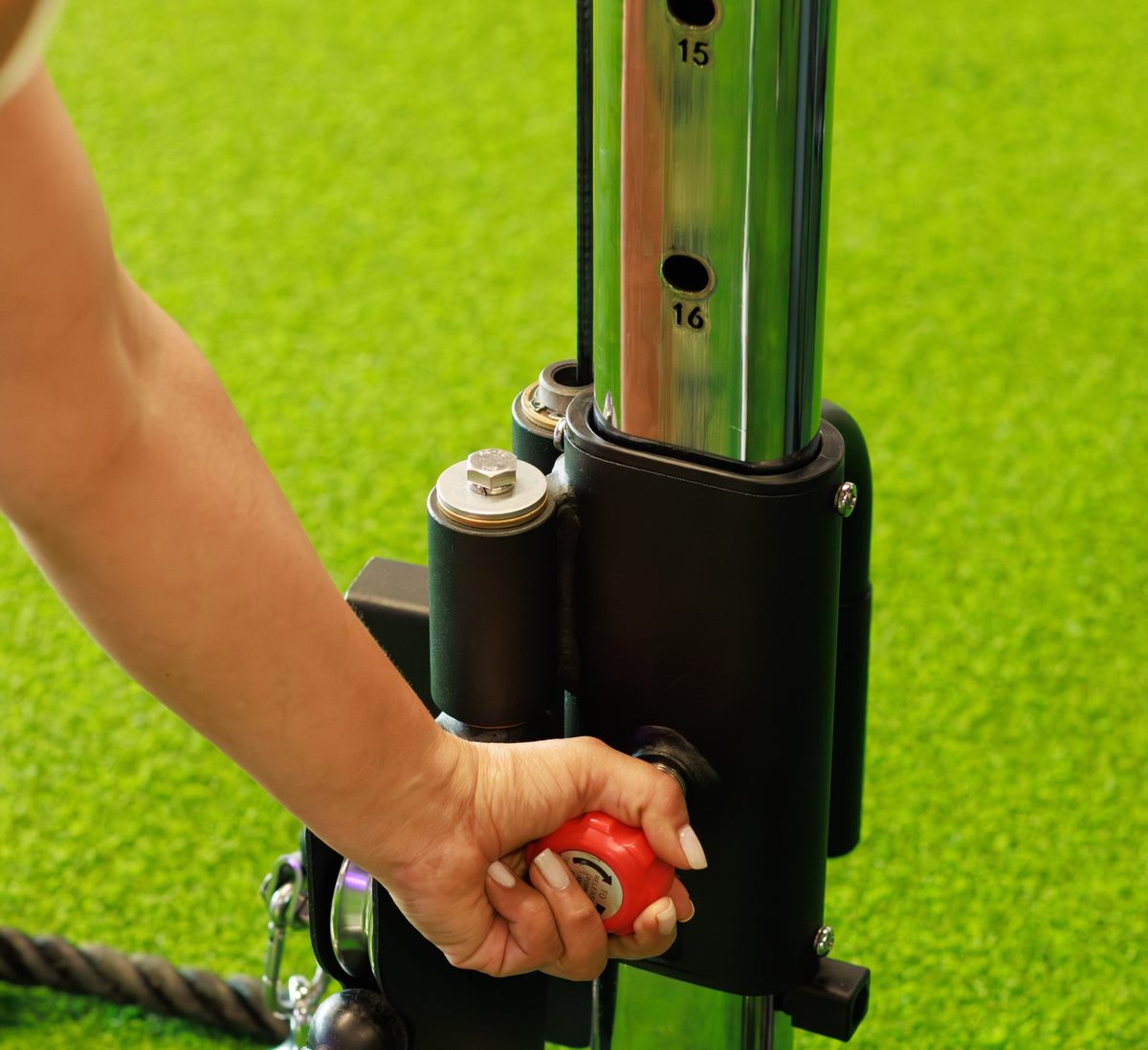
- Set the pulley height for your exercise, and check that the pin locks in place. Most stations number the height settings, so write yours down.
- Clip the handle on, and make sure the clip is fully closed before you pull.
Common mistakes
- Seat set so the moving joint is out of line with the pivot.
- Pin only partly inserted.
- Starting too heavy on day one.
- Jerking the weight up or letting it drop.
- Holding your breath during hard reps.
Machine setup checklist
- Read the placard.
- Line up the moving joint with the pivot.
- Set the pads and the start position.
- Push the pin all the way in.
- Test the movement at the lightest weight.
- Start light: 10 to 15 reps with several left in reserve.
- Breathe out as you push, and lower under control.
- Log your weight and reps in Today's workout, and note your settings.
- Wipe down the machine.
Related guides
- Your first day at the gym
- Breathing during lifts
- Gym etiquette