 Science To Fit
The science › Exercise › Flexibility, mobility and balance
A 10-minute warm-up
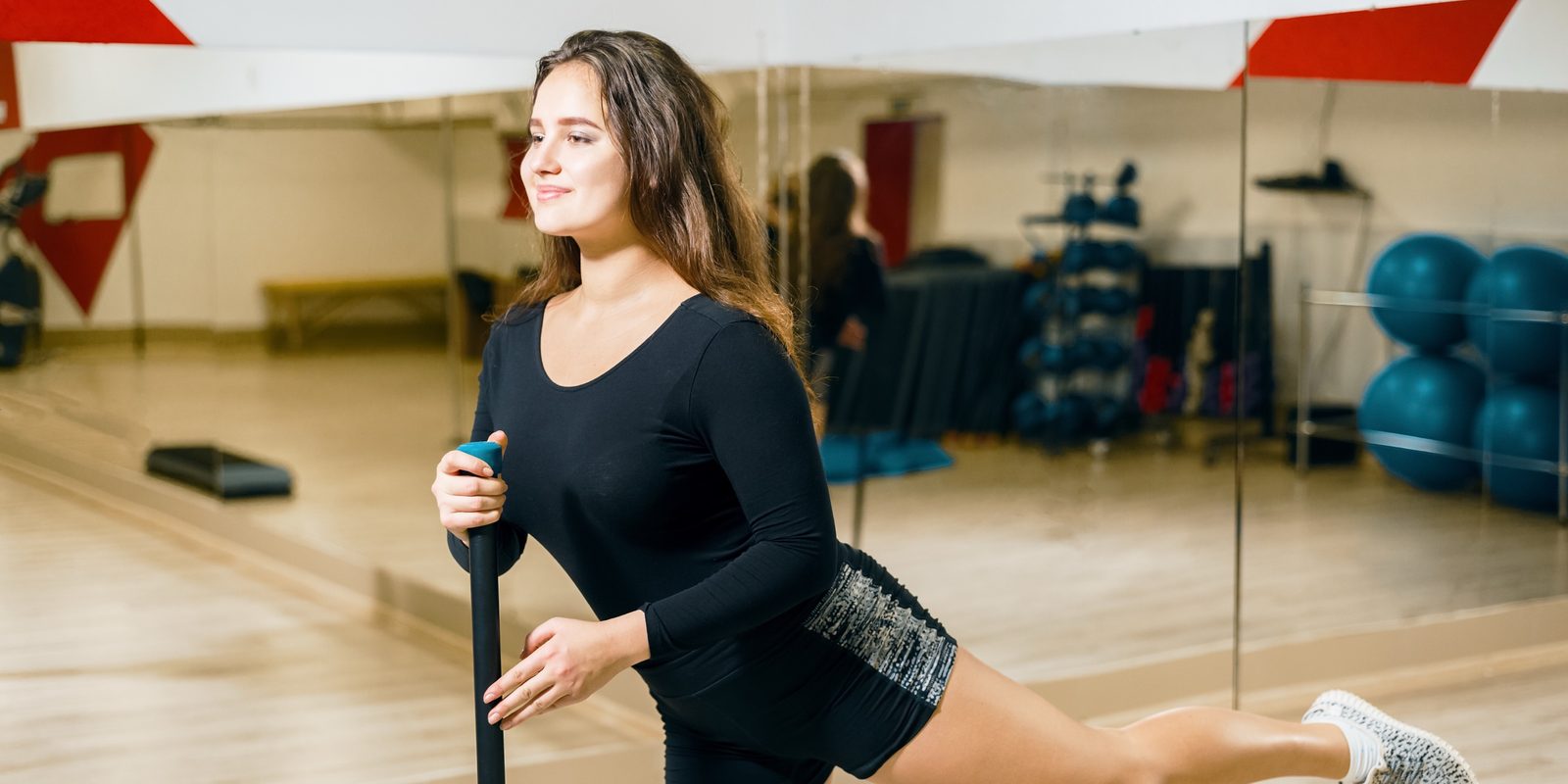
Ten minutes is enough: five of easy cardio, a few minutes of moving your joints, then lighter sets of your first exercise.
Why it matters: A warm-up improved performance in most studies, and moving stretches before training help slightly while long held stretches can hold you back a little (see "Warm-ups, cool-downs and stretching"). This routine puts that into practice.
Part 1: get warm (5 minutes)
- Brisk walking, an easy bike, a rower or an elliptical.
- Start easy and build to a pace where you're breathing a little harder but can still talk.
Part 2: move your joints (3 to 4 minutes)
Do each for about 30 seconds, or 8 to 10 reps per side. Move smoothly; don't force the end of the range.
- Arm circles: small circles growing larger, forward then back.
- Arm swings across the body: swing both arms out wide, then hug across your chest.
- Hip circles: hands on hips, circle slowly in each direction.
- Leg swings, front to back: hold a wall or rack for balance and swing one leg forward and back.
- Leg swings, side to side: face the wall and swing one leg across your body and out.
- Bodyweight squats: sit down to a comfortable depth and stand. Hold onto something if you need balance.
- Walking lunges or split squats: short steps, controlled depth.
- Cat-cow: on hands and knees, slowly round and then arch your back.
Part 3: practice sets (2 minutes)
- Before your first exercise, do 1 or 2 light sets of it. For example, 10 reps with about half your working weight, then 5 reps with about three-quarters.
- For later exercises in the session, one light set is usually enough if the muscle is already warm.
Tips
- Match the warm-up to the day. On a leg day, spend more of Part 2 on hips and legs. On an upper-body day, more on shoulders.
- Save long stretches for later. If flexibility is a goal, hold stretches after your session or at another time.
- Cool down if you enjoy it. A few easy minutes at the end is fine but optional.
Warm-up checklist
- Five minutes of easy cardio.
- Arm circles and swings.
- Hip circles and leg swings.
- Bodyweight squats and lunges.
- Cat-cow.
- One or two light practice sets of your first exercise.