 Science To Fit
The science › Exercise › Recovery, sleep and injuries
Recovery tools, ranked
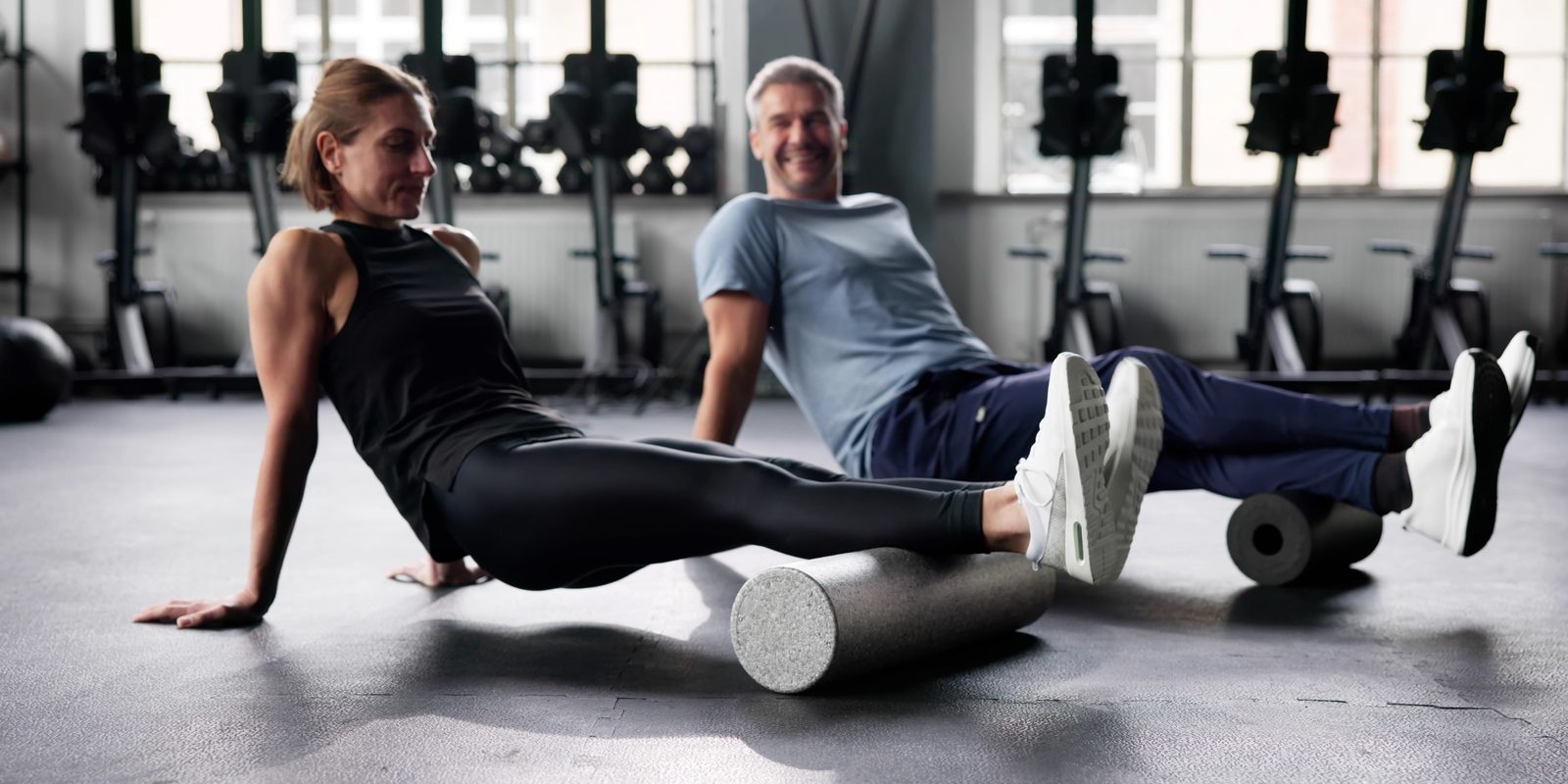
Sleep and food do most of the work of recovery. Light activity and massage help a little. Compression, foam rolling and cold water have small or situational benefits. Expensive gadgets rarely beat the basics.
Why it matters: Recovery products are a big business. Spending time and money in the right order gets you more from your training.
The ranking
| Rank | Tool | What it does | Evidence | Cost |
|---|---|---|---|---|
| 1 | Sleep (7 to 9 hours) | Restores energy, mood and performance | Strong | Free |
| 2 | Enough food and protein | Refuels and rebuilds muscle | Strong | Groceries |
| 3 | Sensible training load | Prevents digging a hole in the first place | Strong | Free |
| 4 | Light activity (walking, easy cycling) | Eases soreness for a while | Moderate | Free |
| 5 | Massage | Reduces soreness; feels good | Moderate | Low to high |
| 6 | Foam rolling | Small, short-term relief and flexibility | Moderate, small effect | Low |
| 7 | Compression garments | Small reduction in soreness | Early to moderate | Moderate |
| 8 | Cold water immersion | Reduces soreness; useful between games | Moderate, with trade-offs | Low to moderate |
| 9 | Tart cherry | May speed strength recovery | Moderate, small effect | Moderate |
| 10 | Gadgets (percussion guns, electrical stimulation, cryotherapy chambers) | Mostly comfort | Little evidence | Moderate to high |
How to use them
Every day: sleep, food and protein, sensible training. See "Sleep, training and recovery," "The protein dose" and "Overtraining and burnout."
On sore days: walk, cycle easily, or train other muscles. See "Why your muscles get sore."
If you enjoy them: massage, foam rolling, compression. They're optional.
Between games or races close together: cold water immersion (about 10 to 15 minutes in water around 50 to 59°F) can help you feel fresher for the next event.
A warning about cold water
- Cold water right after strength training may blunt muscle and strength gains over time. In a 12-week trial, men who took a 10-minute cold bath after each session gained less strength and muscle than men who did active recovery [1]. A 2024 meta-analysis of 8 studies found the same pattern for muscle growth [2].
- If building muscle is your goal, skip the ice bath after lifting.
- Use cold water mainly when performance in the next day or two matters more than long-term gains.
Signs you need more recovery, not more tools
- Performance dropping for more than a week or two
- Poor sleep, low mood or loss of motivation
- Frequent colds or nagging aches
See "Overtraining and burnout."
Sources
- Roberts LA, Raastad T, Markworth JF, et al. Post-exercise cold water immersion attenuates acute anabolic signalling and long-term adaptations in muscle to strength training. Journal of Physiology. 2015;593(18):4285–4301. doi:10.1113/JP270570
- Piñero A, Burke R, Augustin F, et al. Throwing cold water on muscle growth: a systematic review with meta-analysis of the effects of post-exercise cold water immersion on resistance training-induced hypertrophy. European Journal of Sport Science. 2024;24(2):177–189. doi:10.1002/ejsc.12074
Related guides
- Better sleep tonight
- Soreness or injury?
- Missed a week? Getting back on track
Related articles
- Why your muscles get sore
- Foam rolling: what it really does
- Supplements, part two
- Sleep, training and recovery
- Overtraining and burnout