 Science To Fit
Newsletter › Issue 1
Welcome to Science To Fit
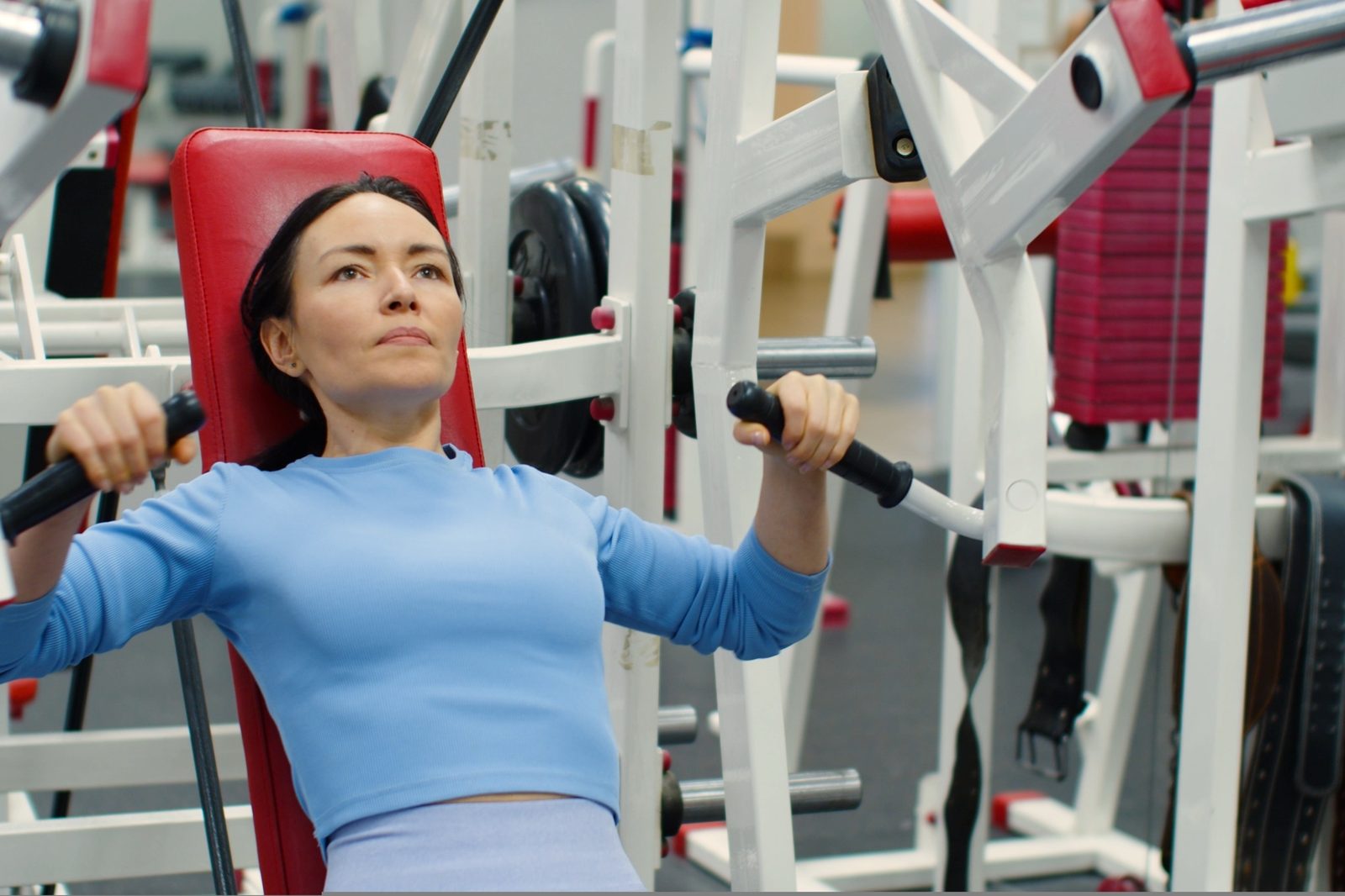
Welcome. Our free website on exercise and eating is live, and every article shows the research behind it.
Why it matters: Most fitness and nutrition advice online is selling something. We're not. Each article tells you what the research shows, how sure scientists are, and what to do about it.
What's next: We're rolling out new articles every Tuesday and Friday. This newsletter rounds them up on the 15th of each month, along with the newest research.
Start here
- Plan my meals: see a full week of meals as plates. Swap any meal and watch calories, sodium and fiber change. No sign-up. Open Plan my meals
- Workout programs: pick the kind of fitness you want (general fitness, strength, hypertrophy, power, muscular endurance, aerobic fitness or body composition), choose a complete workout and your training days, swap exercises and print your log sheets. Pick a program
- How much exercise is enough? The minimum that pays off, and where benefits level off.
- Your first 12 weeks: a simple path from zero to a regular routine.
Planner spotlight: your week vs. the average American's
Plan my meals opens on "How most people eat": a typical American week built from USDA food data, with three meals out, pizza included.
- The average week: about 3,700 mg of sodium a day, well past the 2,300 mg daily limit.
- The healthy-style weeks (Mediterranean, vegetarian, low carb and more): about 2,000 calories and 2,250 to 2,650 mg of sodium a day at an average appetite.
- Small swaps add up: tap "Make this day better" and the planner finds the one change that helps most, including a better order when you eat out.
- No sign-up, no personal details: pick a smaller, average or bigger appetite and start. Open Plan my meals
Program spotlight: workouts that tell you what to do
Workout programs starts with one question: what kind of fitness do you want? Pick a card and you get a complete week, not a menu of choices.
- Seven programs: general fitness, strength, hypertrophy (muscle size), power, muscular endurance, aerobic fitness and body composition.
- Several complete workouts in each: machines only (where beginners start), free weights, a mix, and a build-your-own option. Most programs let you choose 2, 3 or 4 days a week, and you pick which days.
- Every workout meets its program's minimum. Hypertrophy, for example, gives each main muscle about 10 hard sets a week, the starting point our strength article recommends.
- Muscle charts on every exercise: main muscles in dark red, helpers in light red, like the cards on gym machines.
- Print eight workouts on one sheet, four on each side, each labeled with its day, with room for your weights and the reps you finish in each set. Want a plan to follow? Enter a starting weight and the sheet fills in a target for every set, adding a rep at a time.
- Optional balance work: about 10 minutes on two of your cardio days, done while your legs are fresh. Why it's built that way: Balance training: what it really does
Exercise of the month: single-leg Romanian deadlift
It trains your hamstrings and glutes while your hip and ankle muscles work to keep you steady, so you build strength and balance in one move.
- Setup: stand on one leg, knee slightly bent, a dumbbell in the opposite hand. Rest a fingertip on a rack or wall at first.
- Cues: push your hips back and let your free leg float straight behind you. Keep your hips level. Stand tall by driving your hips forward.
- Common mistakes: twisting your hips open, rounding your back to reach lower, rushing the way down.
- Make it easier: hold a support. Harder: a heavier dumbbell, or one in each hand.
- Start with: 2 sets of 8 to 12 per leg, once or twice a week. Full instructions and muscle chart
Try this: find your step baseline
- Check your phone or watch for last week's average daily steps.
- Add about 1,000 steps a day each week until you reach around 7,000.
- Why it's worth it: about 7,000 steps a day is linked to roughly half the risk of early death compared with 2,000. Our article Walking and daily movement is coming soon.
Myth of the month: "Your body can only use 20 to 30 grams of protein at a time"
- What people believe: anything past 20 to 30 grams in one sitting is wasted.
- What the research shows: in a 2023 trial, 36 young men had either 25 or 100 grams of milk protein after a full-body workout. The 100-gram dose produced a larger and longer muscle-building response over 12 hours.
- Reality check: the trial measured protein building over hours, not muscle growth over months.
- The bottom line: your daily total comes first. Spread it across the meals you actually eat, and know that a big protein dinner isn't simply wasted. The protein dose
Coming soon: new every Tuesday and Friday
- Tue., Nov. 3 · Sleep, training and recovery: short sleep cuts the fat you lose on a diet.
- Fri., Nov. 6 · Keeping weight off: why weight comes back, and what helps.
- Tue., Nov. 10 · Strength as you age: it's never too late to get stronger.
- Fri., Nov. 13 · Plant-based protein: plants can build muscle too.
This month in the research
- Vegetarians over 55 built muscle with lifting, but less than meat eaters, in a 12-week trial of 108 adults who strength trained three times a week (the IMPACT trial, American Journal of Clinical Nutrition). Arm and leg muscle rose about 0.8 lb (0.38 kg) on a vegetarian diet and 1.5 lb (0.66 kg) on an omnivorous one; strength gains were similar. The vegetarians ate less protein: 1.24 vs. 1.58 g per kg of body weight a day. What it means: if you eat vegetarian and lift, aim for the full protein dose, about 0.7 g per pound. The protein dose
- Walking faster helped people who don't walk much. In 64,743 adults who wore activity trackers and were followed for about 8 years (British Journal of Sports Medicine, September), death risk was lowest at about 7,500 to 10,000 steps a day. Among people under 5,000 steps, those who walked briskly in their most active half hour had a 25% to 33% lower risk than slow walkers. What it means: if your step count is low, pick up the pace for part of your walk. Reality check: this kind of study shows a link, not proof that walking faster is the cause.
Policy watch
- Federal definition of ultra-processed food: sent to the White House budget office for review in August; as of October 31 it hasn't been released.
- Texas issued the first state dietary guidelines, which advise avoiding ultra-processed foods.
- California now restricts sales of some weight-loss and muscle-building supplements to minors.
- SNAP: USDA has approved requests from 23 states to bar candy, sugary soda and energy drinks from purchases with benefits. A federal judge blocked five of them in June; the rest start on a rolling schedule.
The debate: should we eat less "ultra-processed" food?
Each month we report on a question people are arguing about: each side, then what the research shows. This is a report on the debate, not our opinion.
- Why it's in the news: the federal government has proposed its first official definition of ultra-processed food, and states are acting on their own. Texas tells people to avoid these foods, and California is creating a "not ultra-processed" certification.
- The case for limiting them: diets high in ultra-processed foods are linked to heart disease, type 2 diabetes and earlier death. In a controlled NIH study, people ate about 500 more calories a day on an ultra-processed diet than on a minimally processed one with the same nutrients on offer.
- The case against the label: critics say the category is too broad. It puts soda and candy in the same group as whole-grain packaged bread and flavored yogurt. The disease evidence is mostly observational, and researchers don't always sort foods into the category the same way. Officials have also raised concerns about how broad the federal definition is.
- What the research shows: two trials found people ate more or lost less weight on ultra-processed diets, even when nutrients were matched. Why that happens, and whether every ultra-processed food matters, is still unclear.
- How sure are we: moderate that diets high in ultra-processed foods lead people to eat more and are linked to disease. Early on why, and on which foods matter most.
- The bottom line: build meals mostly from whole and minimally processed foods, cut back first on sugary drinks, sweets and salty snacks, and don't fear frozen vegetables, canned beans or plain yogurt. Read the full article: Ultra-processed foods
How we keep it current
- Every article is checked each month for new research.
- Starting next issue, this section lists what changed and why.
- Spot an error or want to challenge something we wrote? Write to steve@sciencetofit.com. Send a link to the research if you can.
This newsletter is for general education, not medical advice. Talk to your doctor before starting a new exercise or diet plan, especially if you have a health condition.