 Science To Fit
Train for an event
Week-by-week plans from a first 5K to a faster marathon, plus tapering. 9 articles.
Articles
 Start herePlan: your first 5KGo from walking to running a 5K (3.1 miles) in 10 weeks with three run-walk sessions and two short strength sessions a week. Your longest session grows by no more than about 10% at a time.
 Plan: your first 10KTrain for 10 weeks with three or four runs a week: easy runs, one faster session and a weekly long run that grows by no more than about 10% at a time. The last two weeks are lighter so you start the race rested.
 Plan: your first half marathonTrain for 16 weeks with four runs a week: two easy runs, one faster session and a long run. The long run grows by no more than about 10% at a time, every fourth week is easier, and the last three weeks are a taper (a planned cut in training before race day so you start fresh).
 Plan: your first marathonTrain for 19 weeks with four runs a week. The long run builds from 75 minutes to 3 hours, never more than about 10% beyond your longest in the past month, with an easier week every fourth week and a three-week taper (a planned cut in training before race day so you start fresh). Practice your race fueling on every long run.
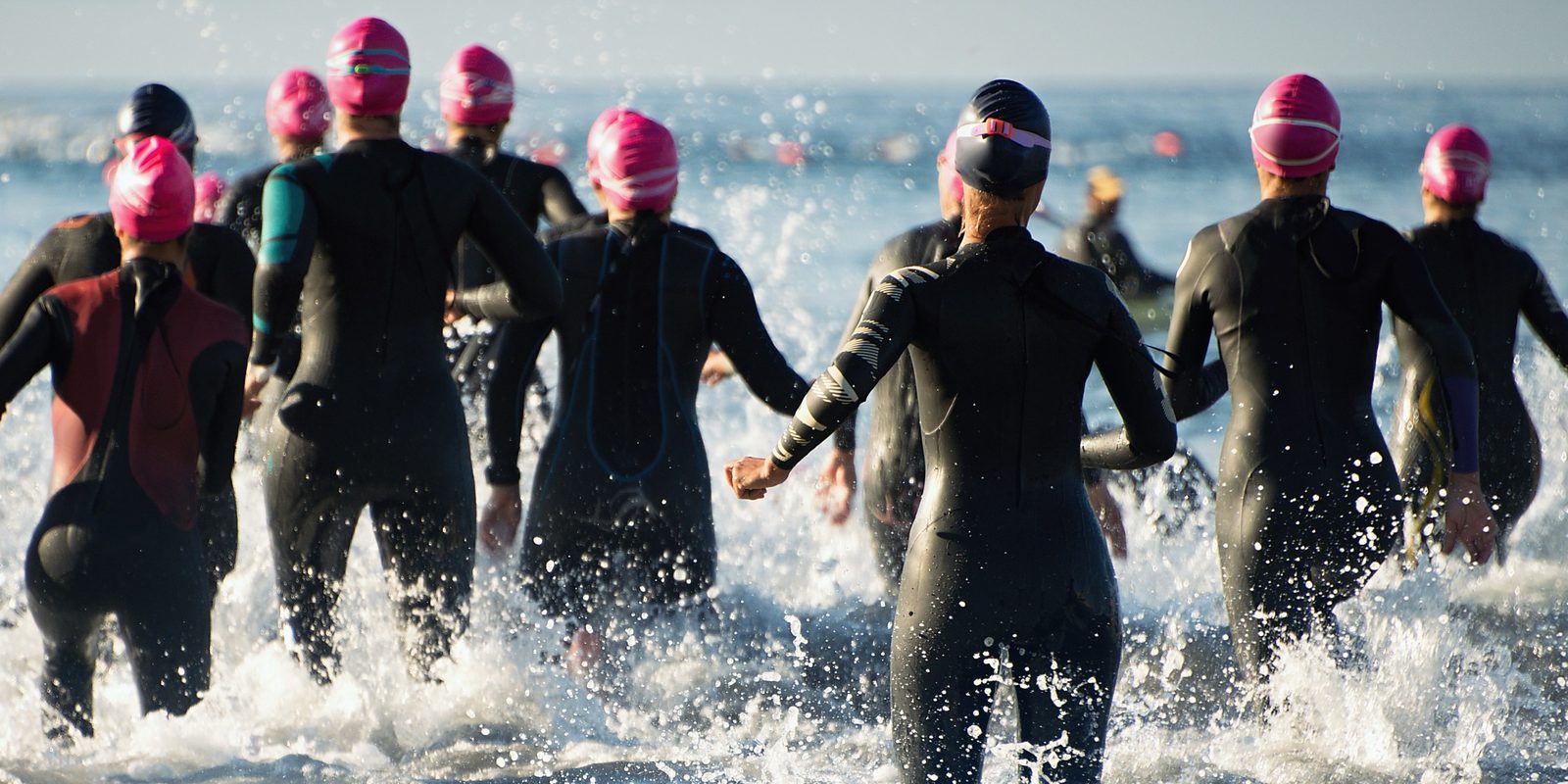 Plan: your first sprint triathlonTrain for 12 weeks with two swims, two rides and two runs a week, one of the rides finishing with a short run. Build each sport gradually, ease off in the last two weeks, and practice open-water swimming safely before race day.
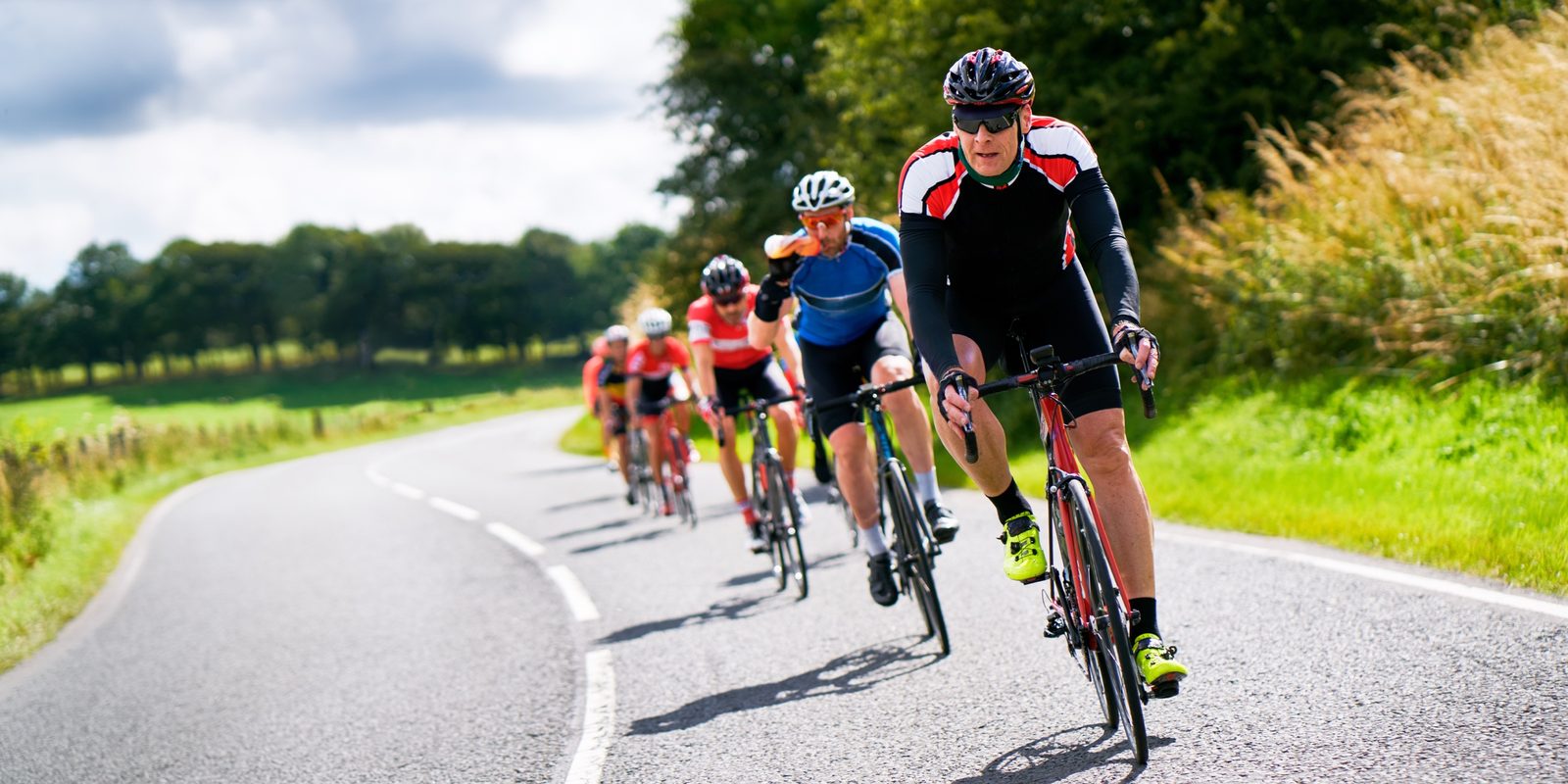 Plan: your first century rideTrain for 16 weeks with three or four rides a week, building your weekend long ride from 25 miles to about 75. Ease off in the last two weeks, and practice eating and drinking on every long ride.
 Tapering before a raceCut training volume by about 40% to 60% over the last two to three weeks before a big race, but keep some faster running.
 Plan: a faster half marathonTrain for 12 weeks with five runs a week: two easy runs, one interval session, one threshold or goal-pace session and a long run. Most running stays easy, the hard sessions are genuinely hard, and the last two weeks are a taper (a planned cut in training before race day so you start fresh).
 Plan: a faster marathonTrain for 18 weeks with five runs a week: two easy runs, one interval session, one threshold or goal-pace session and a long run that builds to 3 hours with long goal-pace finishes. Every fourth week is easier, and the last three weeks are a taper (a planned cut in training before race day so you start fresh).
Also useful
 Endurance training basicsMost endurance training should feel easy, with a small share of hard work.
 Fueling for endurance eventsFor events longer than about 90 minutes, extra carbohydrate in the days before and during the race improves performance.
 Race week and race-morning eatingEat normally for most of race week. For events longer than about 90 minutes, make carbohydrate the main part of every meal for the last two days. On race morning, eat a familiar, carbohydrate-rich breakfast 1 to 4 hours before the start, and fuel during the race the way you practiced.
 Hydration, sodium and race dayDuring endurance events, drink when you're thirsty instead of forcing fluids on a schedule.
 Running injuriesAvoiding sudden jumps in how far you run is the best-supported way to avoid running injuries. Strength training helps too, if you stick with it.